

Every year, the InfoQ editorial team sits down with industry practitioners to map where AI, machine learning and data engineering are heading. The 2026 AI, ML and data engineering trends send a clear message: the industry has moved on from the race to build bigger models. The real work now is running AI reliably in production.
If you are a student, a working developer or a data professional, this shift changes what you should learn. Here is a walkthrough of the biggest trends from the report and what each one means for your career.
Key Takeaways: AI, ML and Data Engineering Trends 2026
- Agentic AI is the biggest trend: agents are moving from personal use to teams and whole organizations.
- Context engineering and harness engineering are replacing simple prompt engineering as core skills.
- AI evaluations are now essential for judging agents on correctness, cost, speed and rule-following.
- Inference is expected to take about two-thirds of AI compute spending by the end of 2026.
- RAG, MLOps and vector databases have reached early majority adoption, so they are safe skills to invest in.
1. Agentic AI: How AI Agents Are Moving into the Enterprise
The headline trend is the rise of AI agents. The report describes a clear progression: first came personal agents that help one individual, then agents that support whole teams, and now companies are exploring agents that operate across an entire organization.
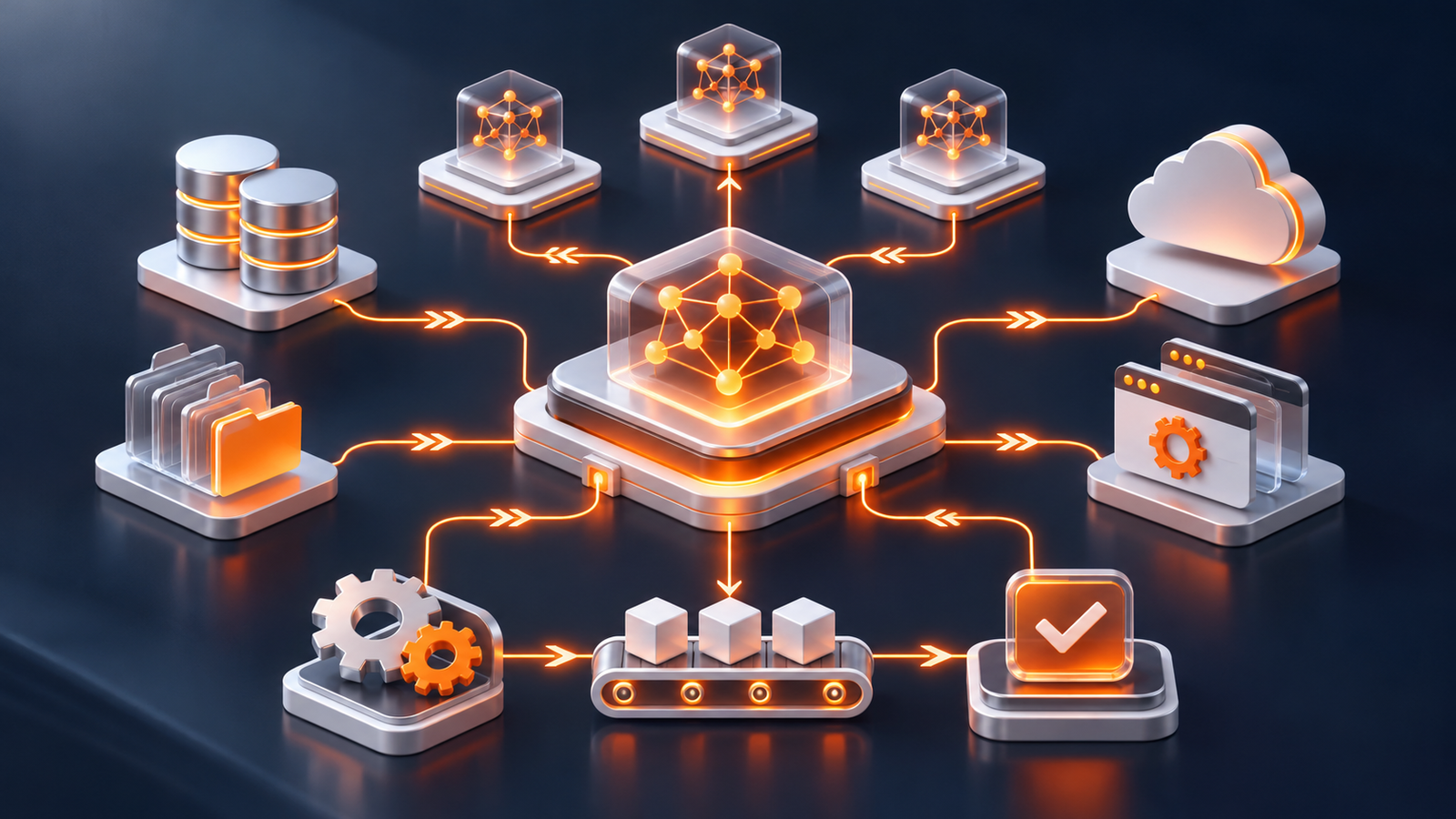
The core change is that AI is no longer just a chat interface that produces answers. It is becoming an execution layer that takes multi-step actions on its own. For that to work inside a company, agents need to reach tools, data and APIs, and they need to talk to other agents. That is why open protocols such as Model Context Protocol (MCP) and Agent2Agent (A2A) keep gaining importance. MCP has moved into the early adopter stage on the report’s adoption graph, while agent-to-agent protocols join the innovators list.
What to learn: how agents call tools, how MCP servers are built, and how multiple agents hand work to each other. Our Agentic AI Masterclass covers these skills hands-on.
2. Context Engineering and Harness Engineering Explained
Two terms are worth adding to your vocabulary this year.
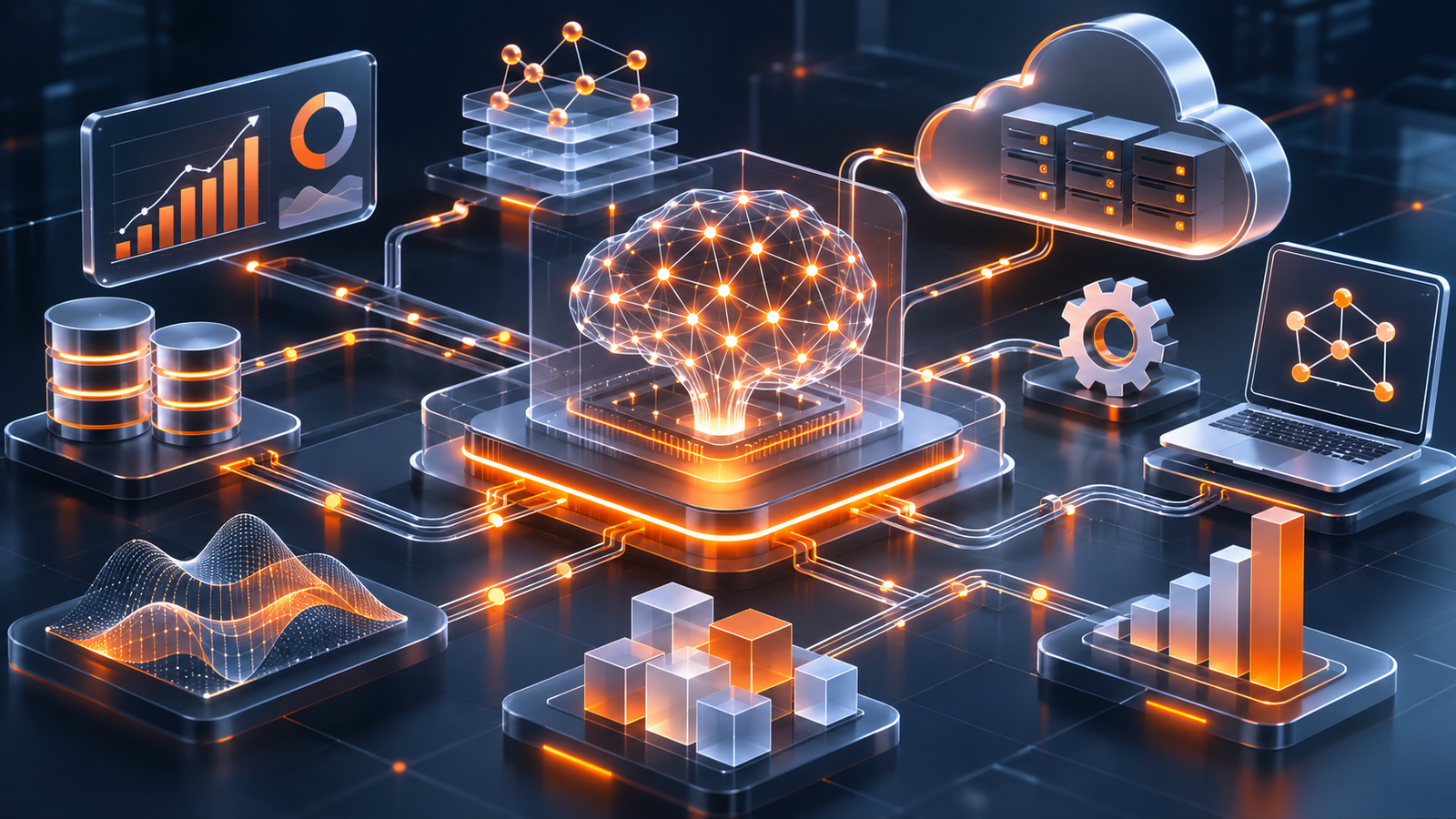
Context engineering is the discipline of deciding what information an agent sees at each step. One panelist compared it to memory management for an AI system. The report also highlights context pollution as a major concern. A bigger context window does not fix the problem. If a system cannot separate useful information from stale, irrelevant or harmful information, more context simply makes the agent slower, costlier and less dependable.
Harness engineering extends this idea. Agent SDKs from vendors such as LangChain, Anthropic and OpenAI started out as simple loops that run an agent. They are now growing to include memory management, code execution and file system tools. In other words, the scaffolding around the model matters as much as the model itself.
What to learn: retrieval strategies, memory design, and how to structure what goes into an agent’s context.
3. AI Coding Agents and the Future of Software Development
Software development has moved from autocomplete to agents that can browse a repository, edit several files, run commands and iterate on their own errors. Tools like Claude, Codex and Cursor are examples of this shift.
The developer’s role is shifting with it. Instead of writing every line, developers increasingly define intent, supply context, review the agent’s decisions and validate the output. This has given rise to new practices such as spec-driven development and the idea of AI software factories, both listed among the innovator trends.
The report is also candid about the downside. Some teams say they have slowed or stopped hiring junior and front-end developers because of these tools. The panel also draws a line between a coding assistant and a coding agent. An agent that can modify repositories, raise pull requests and influence deployments needs defined permission levels, audit trails and proper review workflows.
What to learn: write clear specifications, review generated code critically, and understand testing and security deeply. These skills become more valuable, not less, when an AI writes the first draft. For the wider impact on jobs, read our post on how generative AI is reshaping the workforce.
4. AI Evaluations: How to Test and Measure AI Agents
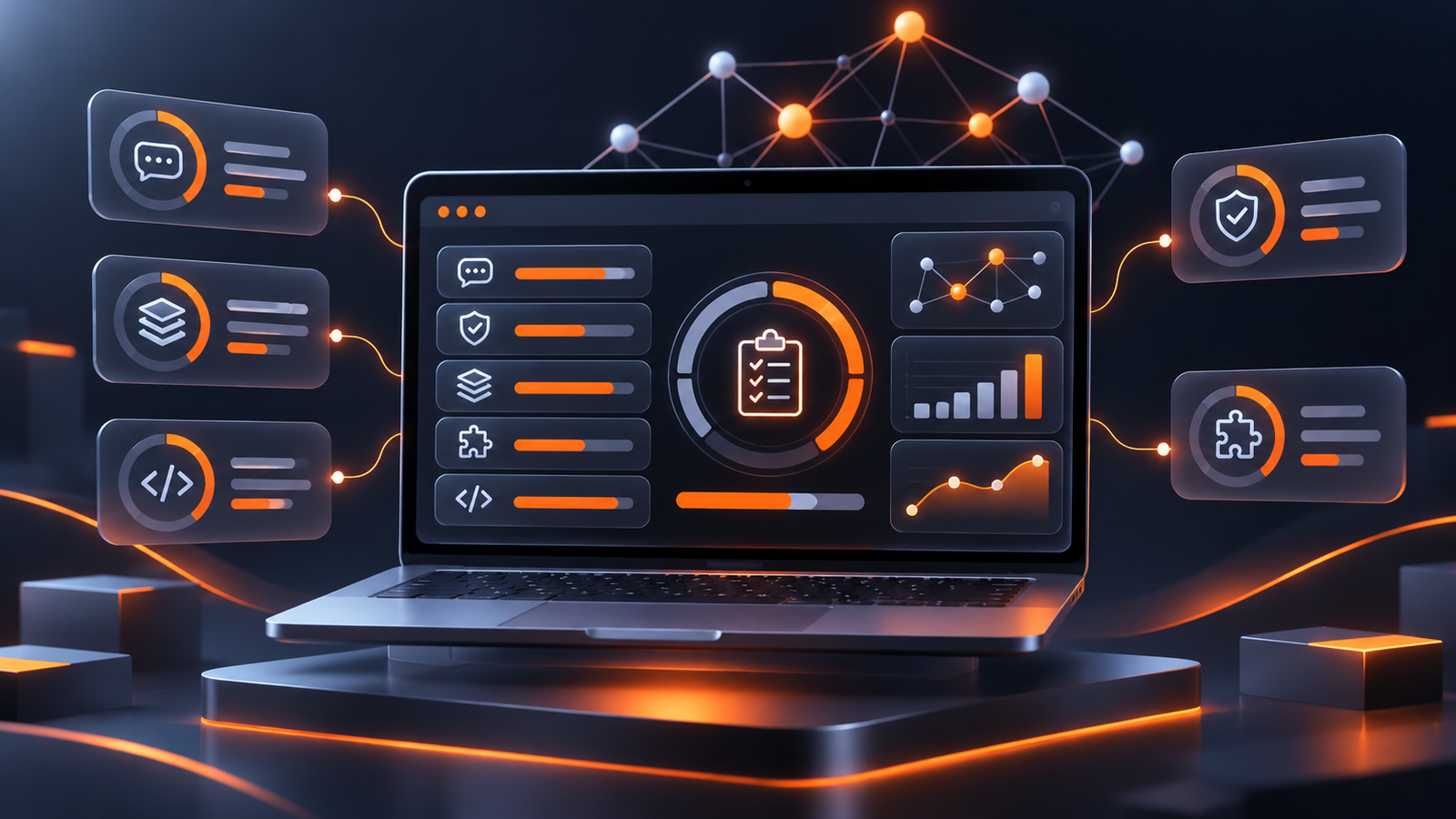
If one word defines 2026 for serious AI teams, it is evaluation. Judging an agent only by whether its final answer looks right is no longer enough. Teams now ask whether the task was completed, how much it cost, how long it took and whether any step broke a rule along the way. It is closer to appraising an employee on process and cost, not just outcome.
For customer-facing agents, companies are building evaluation harnesses that cover data collection, test runs and quality scoring, and use the results to decide whether a release is safe to ship.
What to learn: designing test datasets, measuring agent behaviour, and automating quality checks in your pipelines.
5. LLM Inference Costs and Model Serving in 2026
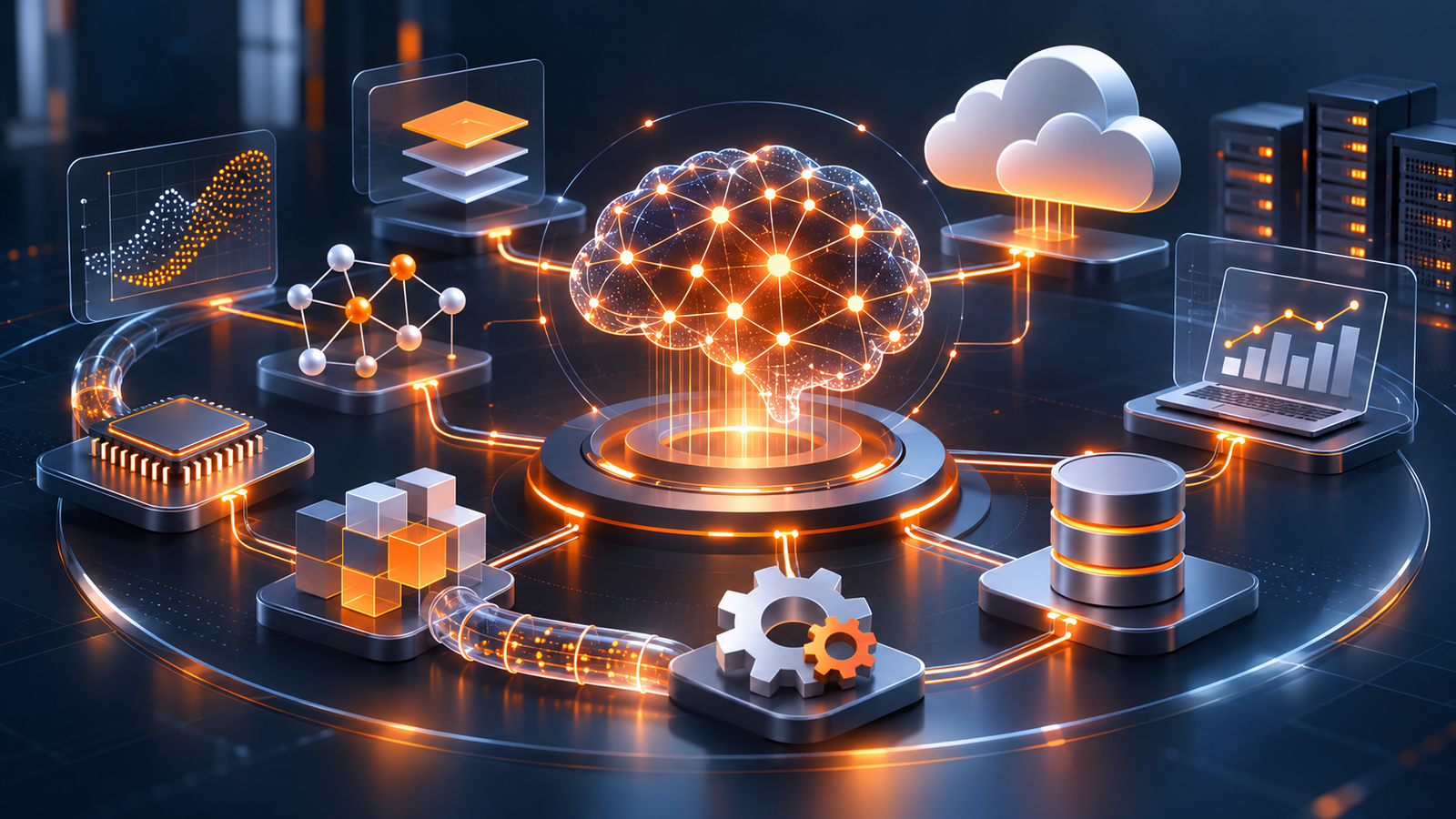
The report expects inference to account for roughly two-thirds of AI compute spending by the end of the year. This reflects a broader move away from training models and toward serving them. Reasoning models, long context windows and agents have turned inference into a systems problem that spans compute, memory, networking, routing and economics.
Two developments make this easier for engineering teams. Serving frameworks such as vLLM and SGLang are maturing, and open-weight models are now strong enough that hosting your own model is realistic. That matters most in sensitive sectors like finance, where keeping personal data in-house is a priority.
What to learn: model serving, cost optimisation, caching and observability for LLM workloads.
6. Small Language Models and Specialised AI Agents
Language models are also trending smaller and quicker, alongside reasoning models that work through logic before responding. The panel discussed so-called “System One” models, built for very fast and cheap inference, with structured input and output meant for software to consume rather than humans to read. TypeSafe AI’s Jev was named as an example. Panelists expect this type of model to be adopted for specific agentic tasks.
The broader prediction is that the most successful deployments will be narrower than today’s. Instead of one all-purpose agent, expect many small, specialised agents, each responsible for a clearly defined job.
7. RAG, MLOps and Vector Databases Go Mainstream
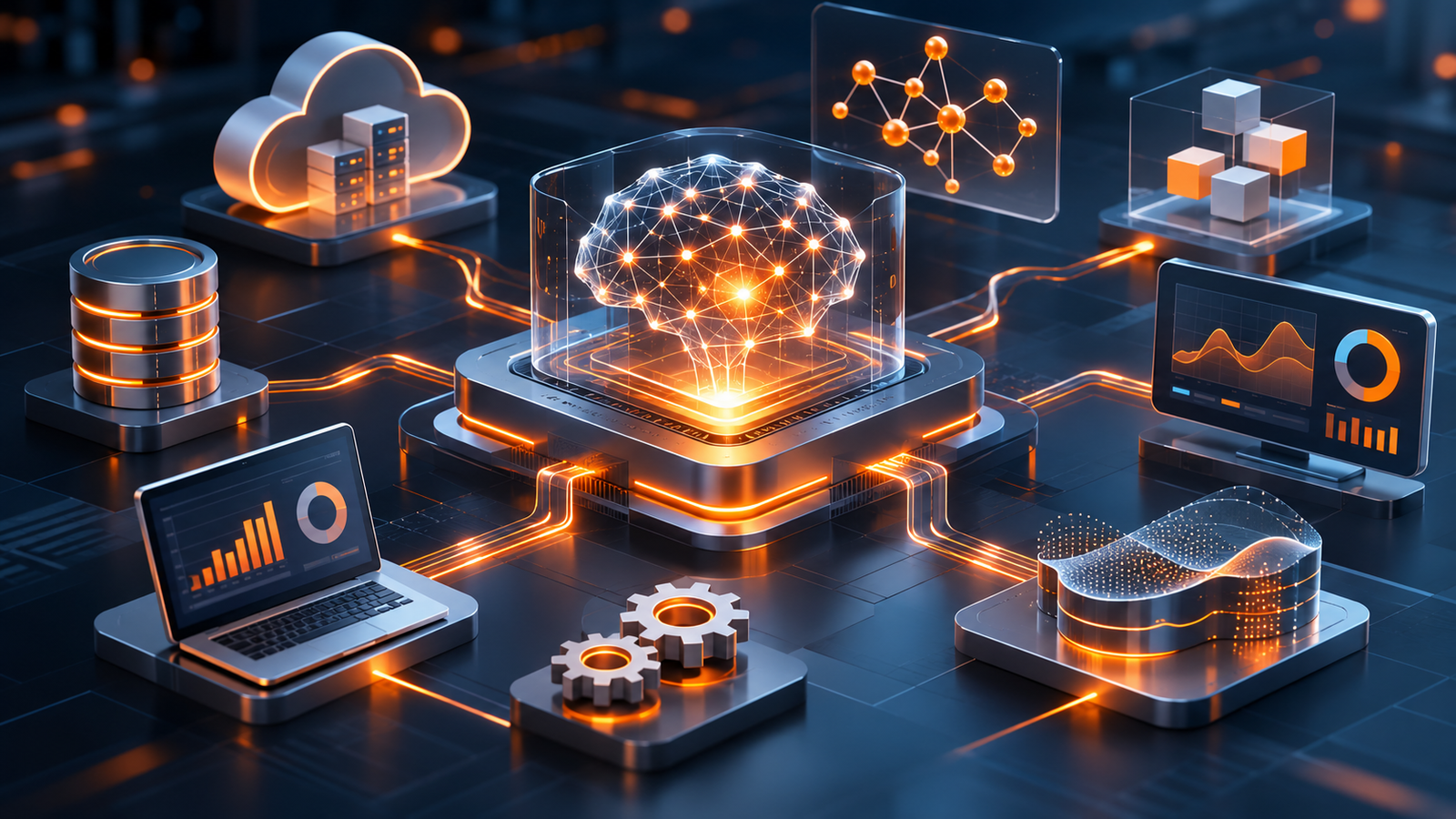
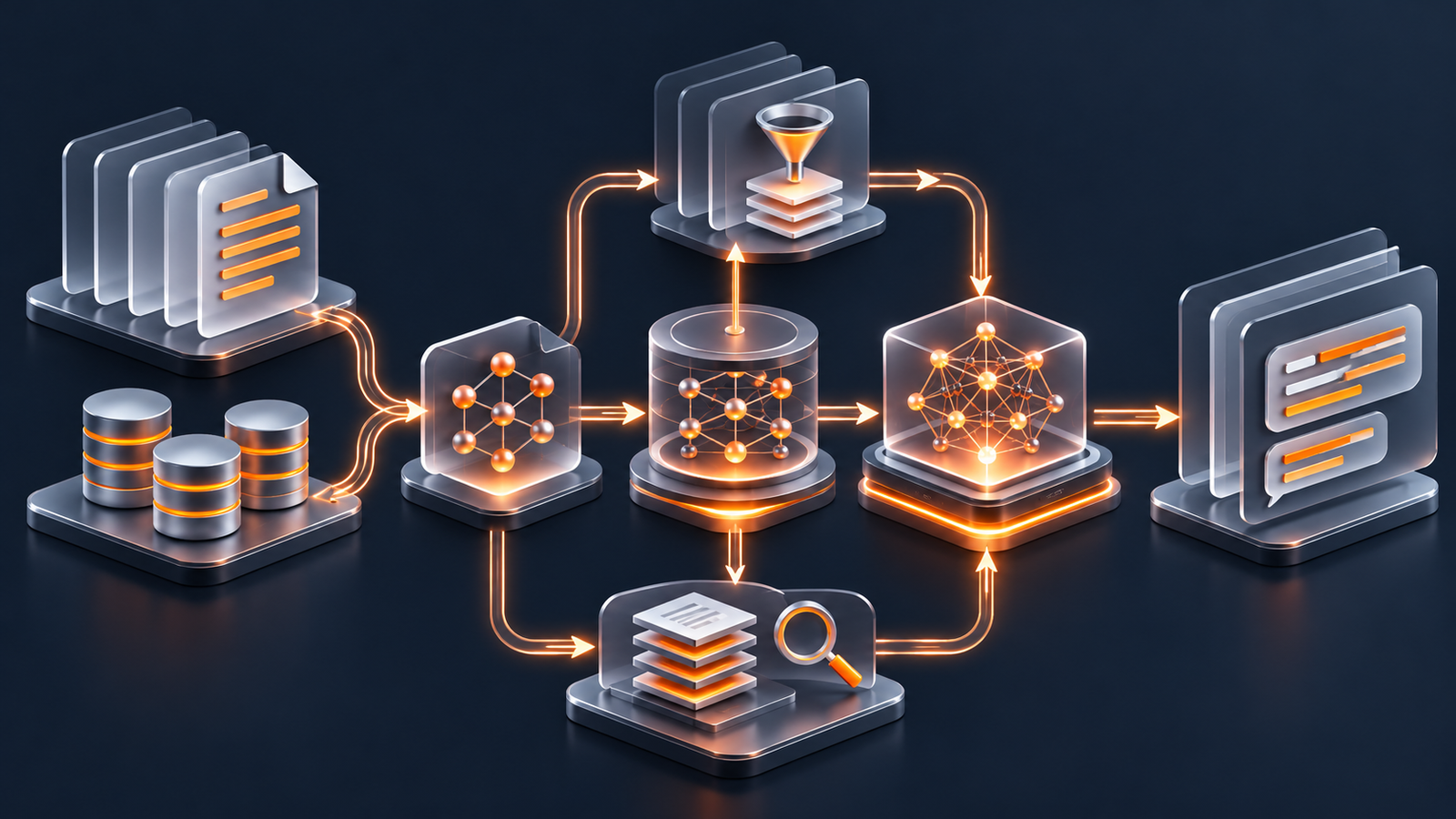
Not everything on the adoption graph is brand new. RAG, MLOps and vector databases have moved into the early majority category. They are no longer experimental, and employers increasingly expect working knowledge of them. If you are building a data engineering or ML portfolio, these are safe, high-value skills to master.
8. Physical AI and Voice Agents: Emerging AI Trends
Two newer areas deserve a mention. Physical AI connects AI to machines that sense and act in the real world, such as robots, autonomous vehicles and drones. The key difference from software agents is that mistakes carry physical consequences, so reliability, simulation and safety validation become critical. Voice agents also appear among the innovator topics this year.
From Demo to Production: The Real Test for AI in 2026
A recurring theme in the report is the gap between demo and deployment. An agent that works beautifully in a lab meets messy data, complicated permissions, regulation and cost pressure in the real world. The defining question for 2026 is whether teams can trust AI inside real workflows to solve real problems. Our breakdown of the GenAI divide explains why so many AI projects stall before they reach production.
AI and Data Engineering Learning Roadmap for 2026
If you want to stay relevant, here is a simple path:
- Strengthen the fundamentals: Python, SQL, data modelling and APIs.
- Learn the established stack: RAG, vector databases and MLOps.
- Build an agent: use an agent SDK, connect it to tools through MCP and handle failures gracefully.
- Practise context engineering: experiment with what you feed your agent and measure the effect.
- Add evaluation: write tests that score your agent on correctness, cost and speed.
- Learn to serve models: try an open-weight model with a framework like vLLM.
Final Thoughts: Skills That Will Matter in AI and Data Engineering
The 2026 trends point to one conclusion: the value is moving from building AI to operating it well. Engineers who understand context, evaluation, security and cost will stand out in a market where generating code and prototypes is becoming easy.
The real opportunity in 2026 is not simply building AI. It is making AI reliable, useful and ready for production.
Ready to turn these trends into skills? Explore our AI Programs, join the Agentic AI Masterclass, check the Training Calendar for upcoming batches, or contact our team about Corporate Fresher Training.
Pick one trend from this list, build something small this week, and keep iterating.